


Jeep’s Comeback: Staying True to Its Roots While Embracing the Future
Jeep’s Comeback: Staying True to Its Roots While Embracing the Future
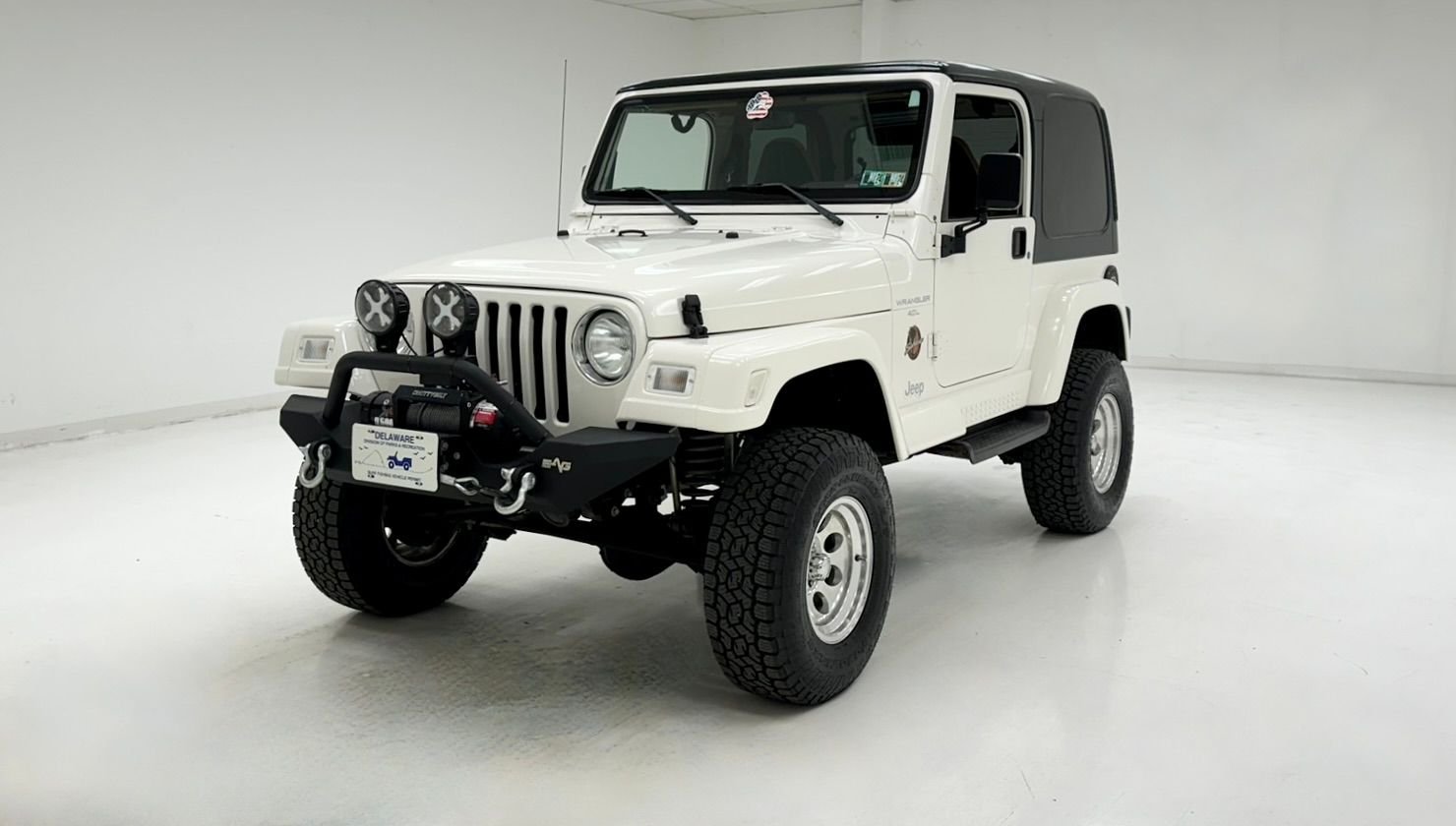
As a lifelong Jeep enthusiast and host of the Jeep Talk Show podcast, I’ve witnessed the brand’s enduring legacy firsthand. Jeep isn’t just a vehicle—it’s an American icon, born from its heroic role in WWII and evolved through legendary models like the Willys, CJ, YJ, TJ, XJ, JK, JL, and JT. Models like the Wrangler and Gladiator continue to capture that spirit of adventure and capability.
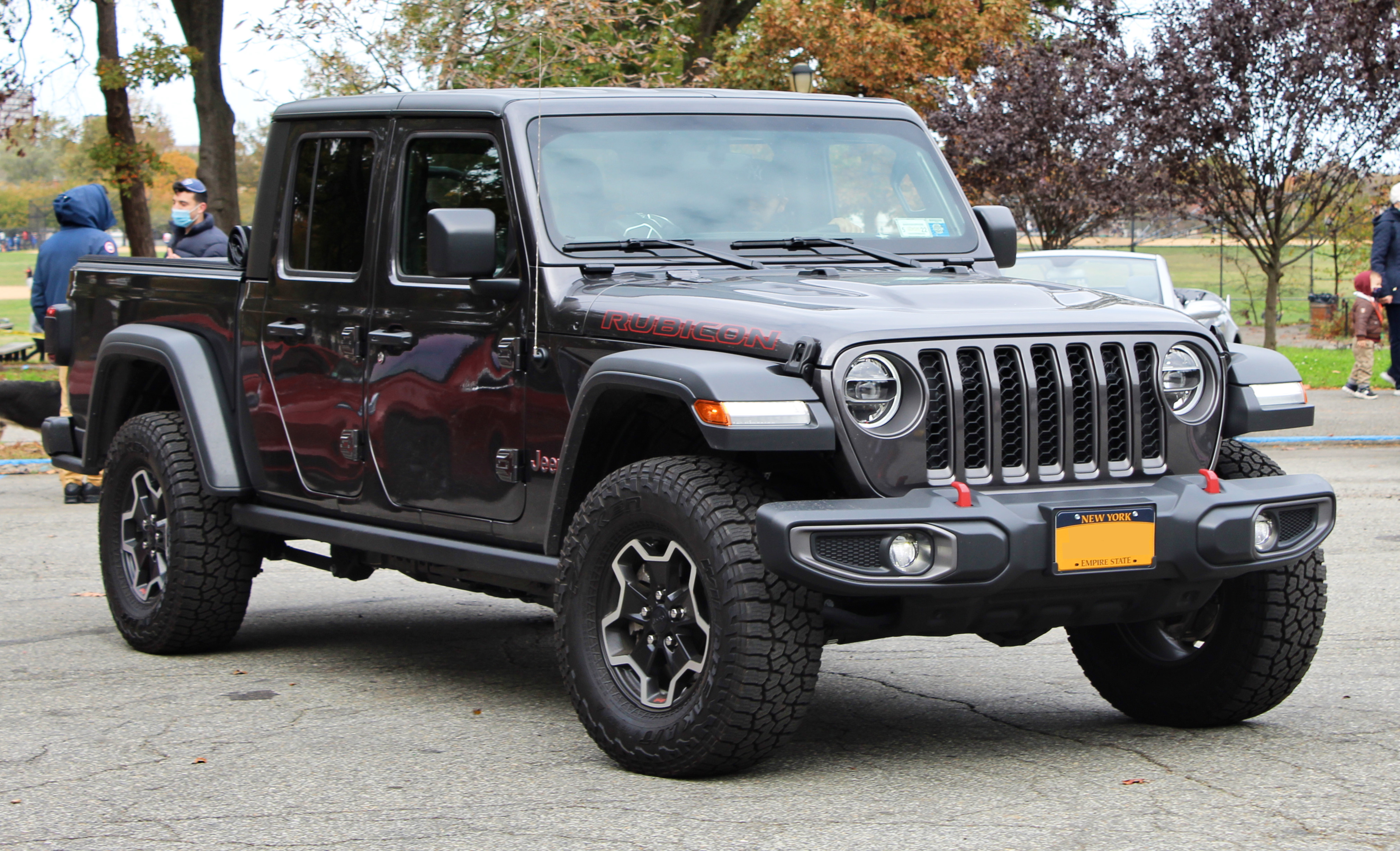
I drove my cherished XJ Cherokee daily for 25 years, and in 2021, we added a Gladiator to the family. Sure, there are differences, but climbing behind the wheel still feels unmistakably like driving a **Jeep**. That authentic Jeep DNA is what keeps us loyal.
Jeep’s Financial Turnaround in 2025
Jeep, under Stellantis, is indeed staging a strong financial comeback after a challenging start to 2025. The first half saw headwinds, including tariff impacts leading to a net loss, but the second half has shown impressive recovery. Q3 2025 brought a 13% year-over-year increase in shipments and net revenues, with Jeep U.S. sales growing 11%—nearly double the market’s 6%. Models like the Wrangler (up 18%) and Gladiator (up 43%) are driving this momentum, alongside upcoming launches like the new Cherokee.
This progress reflects Jeep’s focus on core strengths: capable, versatile vehicles that appeal to everyday drivers and adventurers alike.
The Case for a No-Frills, Affordable Jeep
That said, Jeep briefly lost its way by pushing higher pricing and positioning some models toward luxury. Jeep’s heart has always been in **affordable, go-anywhere vehicles**—rugged workhorses for trails, jobsites, or daily life, not premium SUVs.
To truly accelerate the comeback, Jeep should introduce a stripped-down, budget-friendly option. The 2016 **Shortcut** concept was spot-on: a shortened Wrangler echoing the classic CJ-5, with open-air freedom, no doors or top, and a proven 3.6L Pentastar V6. It embodied pure, functional Jeep simplicity.


Imagine a production version priced around $15,000—or even lower, inspired by the emerging interest in compact, efficient Kei-class vehicles. This could create a “spare Jeep” for enthusiasts: fun, capable, and accessible. It would broaden appeal, attract younger buyers, and reinforce Jeep as the people’s off-roader.
Enhancing On-Road Experience for the Majority
While off-roading defines Jeep’s soul, data suggests only a small percentage of owners regularly hit the trails—estimates range from 10-15% for Wranglers to lower for the broader lineup. That means 85-90% primarily use their Jeeps for daily driving: commutes, errands, family duties.

For these drivers, advanced on-road tech could transform the experience. That’s why I believe Jeep should explore partnering with Tesla to integrate **Full Self-Driving (FSD)** capability. FSD isn’t limited to EVs—it could adapt to internal combustion engines, handling steering, braking, and sensor integration. Jeep’s engineers are more than capable of the challenge.
Autonomy is advancing rapidly, and manufacturers without robust systems risk losing share. Future insurance incentives may favor FSD-equipped vehicles, and daily driving frustrations could vanish. While competitors like Ford develop their own, Tesla’s FSD is years ahead.
Jeep has the heritage, the momentum, and the engineering talent. By offering an affordable entry point and forward-thinking tech, the brand can honor its past while securing its future. What do you think—time for a modern Shortcut and FSD in a Wrangler?
Let’s discuss in the comments. Wave if you see me on the road! 🚙💨
#Jeep #JeepLife #Wrangler #Gladiator #OffRoad #AutonomousDriving #Stellantis